

Think about the people who quietly help keep a community going.
The neighbor who gives every year to the local food bank. The couple who supports scholarships at their alma mater. The person who volunteers at a shelter, sponsors a youth program or makes a monthly ‘sustainer’ gift to an organization they believe in.
They may never call themselves philanthropists.
But perhaps they are.
The word philanthropist can feel bigger than the people it describes. It can bring to mind large foundations, extraordinary charitable gifts or the names of wealthy donors on the walls of museums, hospitals and universities.
But philanthropy doesn’t have to be grand to be meaningful.
At its root, philanthropist comes from the Greek words philos, meaning ‘loving’ or ‘dear to,’ and anthropos, meaning ‘human being’ or ‘humanity.’ In its simplest sense, philanthropy is a love of humanity.
Philanthropy Begins with What We Care About
Being a philanthropist isn’t necessarily about how much money someone gives. It’s about choosing to use what we have—our resources, time, attention, influence or generosity—to help create a better future for other people and the communities we care about.
It’s personal.
We are drawn to charitable causes because they reflect our values. We give because there are issues that matter to us, people whose circumstances move us and possibilities for positive change that we want to support.
That might mean supporting education because we believe opportunity should not depend on where someone starts. It might mean contributing to health and human services because everyone deserves dignity and a chance to thrive. It might mean supporting the arts, the environment, scientific research, community organizations or efforts that strengthen the places we call home.
There is no single definition of a cause worth supporting. What matters is the connection between what we value and what we choose to do about it.
Philanthropy Is About Making a Difference
There is something powerful about moving beyond simply caring about an issue to asking, What can I do?
We may not be able to solve every problem. We cannot support every organization or respond to every need. But we can make choices about where our resources may have meaning.
Sometimes the difference is immediate and tangible: helping a family, funding a program, providing an opportunity or responding to a crisis.
Other times, philanthropy is about investing in something that may take years to bear fruit such as supporting research, nurturing young talent, strengthening institutions or helping build healthier and more resilient communities.
In both cases, the underlying motivation is similar: we want our giving to stand for something.
Philanthropy gives us a way to turn our values into action.
Why Some People Don’t Like the Word ‘Philanthropist’
And yet, many people who give generously are uncomfortable calling themselves philanthropists.
There are understandable reasons for this.
For one, the word can feel self-important. Someone may think, I’m just helping where I can. Why give myself a grand title for that?
Others associate philanthropy primarily with immense wealth. If they don’t have a private foundation or the ability to make million-dollar gifts, they may feel that philanthropist is not a word that belongs to them.
There can also be a concern that calling oneself a philanthropist makes giving feel performative. Generosity, after all, does not need a label to be meaningful.
These are valid reservations. Philanthropy should never be about claiming moral superiority or receiving recognition for being generous. And giving should not become a competition over who can give the most.
But perhaps the word doesn’t have to carry all that baggage.
Reclaiming a Simple Meaning
If we return to the original idea behind the word, philanthropist becomes much less intimidating.
A philanthropist is, at heart, someone who loves humanity enough to want to contribute to its well-being.
That doesn’t require extraordinary wealth.
It requires caring. It requires recognizing that our choices can affect other people’s lives. And it requires being willing to put some of our resources behind the things we believe matter.
In that sense, philanthropy is not about a particular tax bracket or the size of a donation. It is about intentional generosity.
We can each participate in philanthropy in different ways and at different levels. One person may establish a foundation. Another may make recurring gifts to a handful of organizations. Someone else may volunteer, serve on a nonprofit board, mentor a young person or give their professional expertise to a cause.
All of these can be expressions of a desire to make a difference.
Giving with Intention
Philanthropy is also a journey that often involves taking time to learn about organizations, understand the issues they are addressing and think about where our support can be most meaningful.
Priorities may change. New causes may be discovered. We learn more about problems we thought we understood. And sometimes, the organizations we support may teach us that creating lasting change is more complicated than writing a check.
That’s part of the privilege and responsibility of giving.
See What Your Giving Can Do
If you’ve ever wondered whether your own giving makes you a philanthropist, perhaps the answer is simpler than you thought.
You don’t have to give a lot. You don’t have to give to everything. You simply have to care enough to choose where your generosity can make a difference.
Ripple Impact NW’s Giving Pop-Up brings that idea to life
Join us Wednesday, September 30, at Ripple Space for a casual evening of giving and conversation with five local nonprofits: Clark County Historical Society and Museum, Elevate Youth, Enspire Arts, Jane Weber Arboretum and PEACE NW.
Learn more about the organizations, hear about the work they are doing in our community and choose where you want your giving to go.
Individual tickets are $15, and a donation of $100 or more can be directed to the nonprofit of your choice, with each organization receiving an additional $2,000 grant from Ripple Impact NW’s Partner Circle. Appetizers and beverages are included.
Come curious. Come ready to give. And come see what your generosity can do.
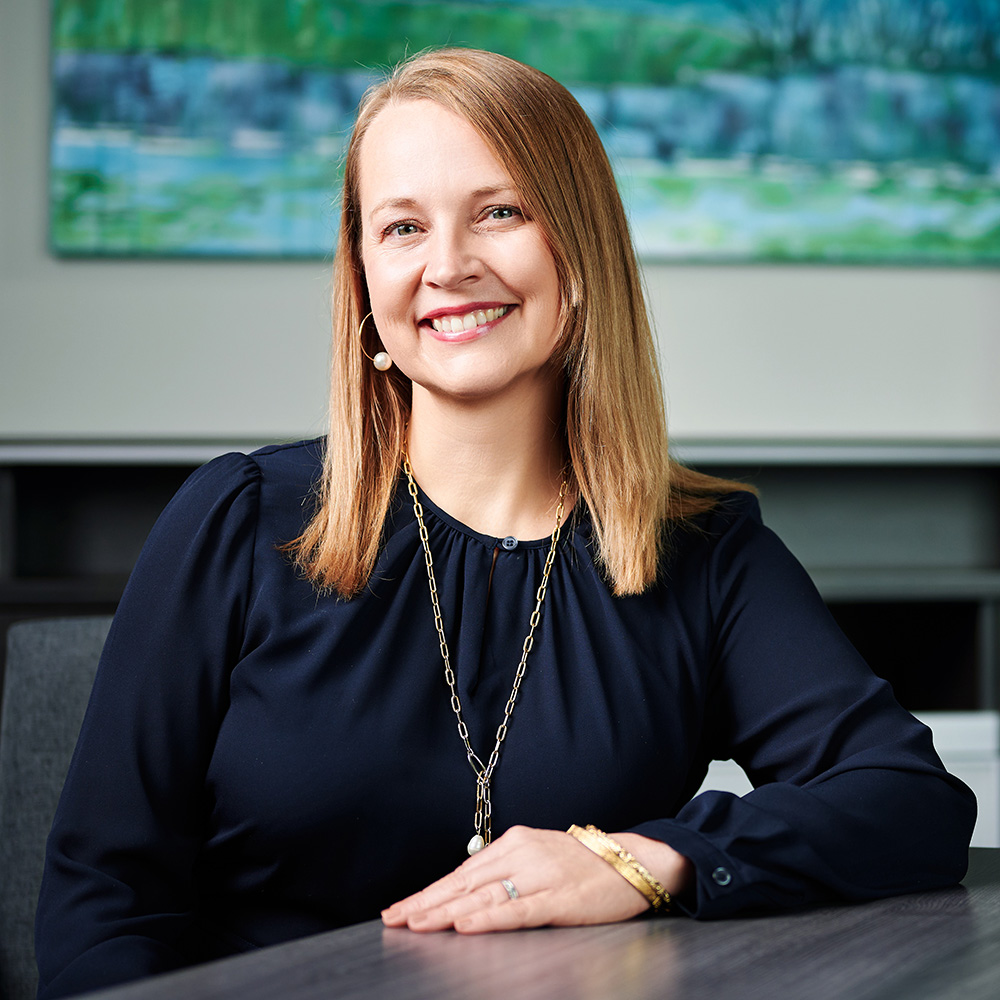
Heidi Johnson Bixby is a CERTIFIED FINANCIAL PLANNER® professional and CEO and President at Johnson Bixby. Along with working directly with clients, she leads the firm’s long-term vision and mentors the financial planning team, helping ensure clients benefit from a thoughtful and coordinated planning approach. In her work with clients, she focuses on areas that continue to differentiate the firm including life transitions, retirement income design, tax planning strategies, and estate and charitable planning.



0 Comments