

I don’t know about you, but 2026 didn’t ease in quietly. For many of us, the year arrived at full speed — full calendars, full inboxes, and no shortage of competing priorities.
That momentum makes this an especially important moment to pause and reflect. A new year brings fresh possibilities — adventures both planned and unexpected, everyday responsibilities, challenges that stretch us, and moments that shape who we’re becoming. It’s also a natural time to consider what progress looks like, especially when it comes to our finances.
When life moves quickly, growth can be hard to spot. But stepping back to look at the bigger picture is powerful. It helps you see how far you’ve come, where your priorities may have shifted, and what small adjustments can create meaningful momentum. Financial confidence isn’t about perfection. Instead, it’s about clarity, intention, and progress over time.
So, what are the financial ideas worth being resolute about? Here are some key focus areas to help you move forward:
1. One Step at a Time
Some goals might be far off in the future or feel overwhelming – like retirement, changing jobs, buying a new/different house, planning for children, planning an international vacation. If you tend to say, “I’ll focus on that when I finish with X, Y or Z” – don’t. It’s easier to accomplish a goal if small, consistent steps are made over (sometimes) long periods of time. There is not only the financial benefit of allowing your money to compound, but it also gives you time to adjust and refine the goal as the event approaches rather than scrambling or being forced into decisions at the last minute.
2. Know Your Options
A benefit of the financial planning process is gathering the information to make more informed decisions. Maybe you’ve had your heart set on a particular vehicle purchase, vacation location or retirement date. That’s great and might be the target, but markets go up and down, tax laws change, and other options become available. Having intentional, periodic conversations with a financial planner helps you gain new information that might change your opinion, uncover other opportunities, or reinforce the direction you’re headed so you can move forward with confidence.
3. Prioritize
As the saying goes, sometimes our eyes are bigger than our stomach. There will often be more goals than we have time, money, or energy for so it’s important to prioritize. It doesn’t mean a particular goal won’t be accomplished; it just might need to be on an adjusted timeline. Priorities may need to be adjusted for a variety of reasons – internal motivations and external events – so be open to change. Prioritizing helps you know where to focus your precious time, energy and money.
4. Keep Going
Some goals might take a while to achieve, but it’s worth it in the end. There might also be some failures along the way or moments of getting stuck. That’s normal.
Thomas Edison experimented with thousands of filament materials before designing the electric light bulb. He kept going …
… I couldn’t afford to go away to college, so I started at a Clark College, then got my professional licenses and CFP® designation and then finished my bachelor’s degree. It took me 10 years, but I kept going!
5. Be Prepared for Opportunities
When you’re clear on a goal and the end vision, it’s easier to adjust, especially when an opportunity you’re not expecting shows up. Maybe this is a promotion, early retirement package, invitation to go on a trip to somewhere other than where you had imagined, or a tax credit that lets you purchase a home or car or business sooner than planned. There is only adequate or inadequate preparation to cope with the unexpected opportunities that will be presented to you. Be prepared because you never know when opportunity will knock.
Wherever you are in your financial journey, thank you for sharing your story with us and being part of our Women Invest community.
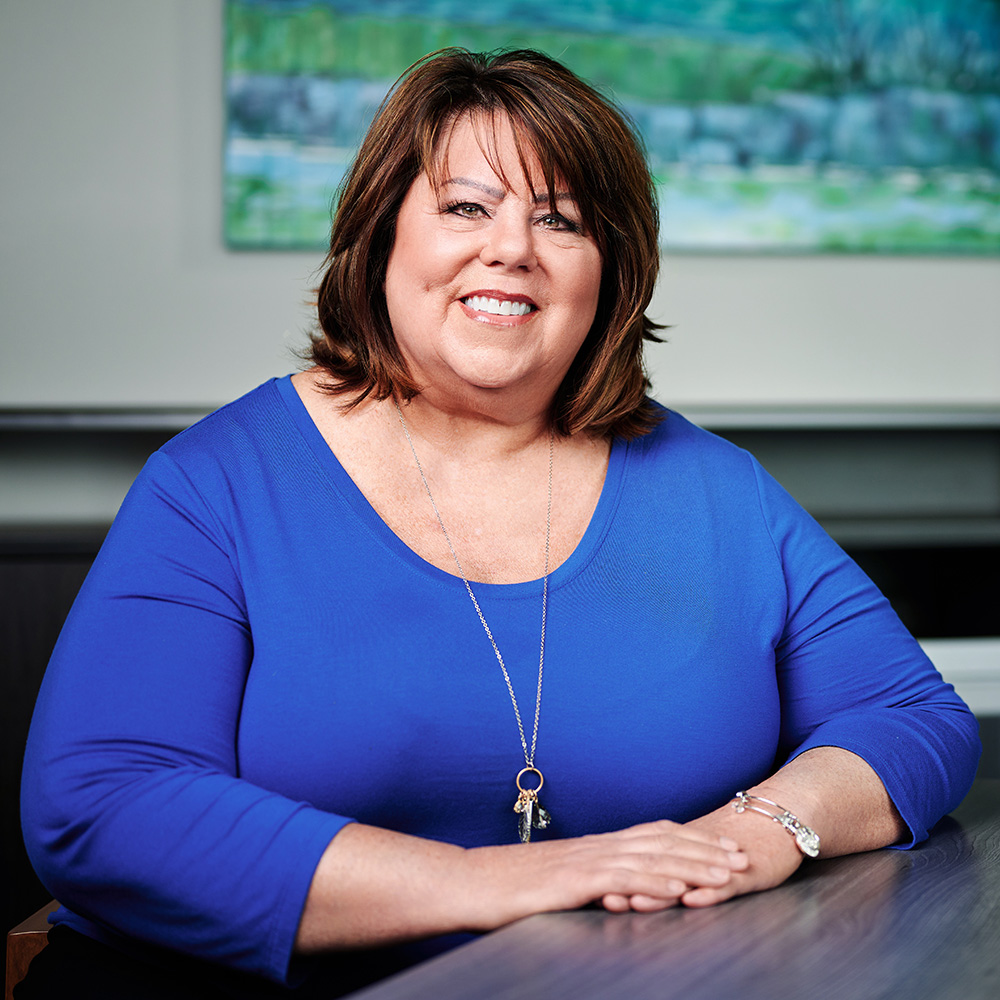
Heidi Johnson Bixby is a CERTIFIED FINANCIAL PLANNER® professional and CEO and President at Johnson Bixby. Along with working directly with clients, she leads the firm’s long-term vision and mentors the financial planning team, helping ensure clients benefit from a thoughtful and coordinated planning approach. In her work with clients, she focuses on areas that continue to differentiate the firm including life transitions, retirement income design, tax planning strategies, and estate and charitable planning.





























0 Comments